
At Lotus Eyecare in Frisco, Dr. Malani works alongside the doctor who prescribed your medicine to keep that watch going. Monitoring supports your treatment. It does not replace it.
Monitoring Medicines That Can Affect Your Eyes
Why Some Medicines Need Eye Monitoring
Your eyes are small, and some medicines reach them in ways that matter. A drug taken for lupus, arthritis, breast cancer, asthma, or a stubborn allergic condition can affect the retina, the optic nerve, the lens, or the fluid pressure inside the eye. Often there is no early symptom. The change shows up on an exam before it shows up in your day.
That is why a medication review is part of a thorough comprehensive eye exam. Knowing your medicines tells your eye doctor which structures to watch and how closely.
Medicines We Follow Most Closely
The three groups below are the ones we check most often. Other medicines, including some heart, psychiatric, and chemotherapy drugs, can also affect the eye. Bring your full medication list to every visit so nothing is missed.
Hydroxychloroquine (Plaquenil)
Prescribed for lupus, rheumatoid arthritis, and other autoimmune conditions. Over time it can affect the macula, the part of the retina that handles fine central vision. Risk rises with a higher daily dose for your body weight, a longer time on the medicine, kidney problems, and certain other conditions. Because changes can keep progressing after the medicine is stopped, regular screening matters even when you feel well.
Tamoxifen
Used to treat and to help prevent some breast cancers. Tamoxifen can cause tiny crystal deposits in the macula and, less often, swelling or other retinal changes. It is also linked to cataract and, rarely, effects on the optic nerve. Because tamoxifen is often taken for years, periodic exams let us look for early, often silent changes.
Corticosteroids
Steroid medicines in any form, including pills, injections, inhaled or nasal sprays, and eye drops, can raise the pressure inside the eye. An unchecked rise can lead to steroid-induced glaucoma. Steroids also raise cataract risk. Pressure checks at set intervals are the main way this risk is managed.
What a Monitoring Exam Includes
Testing is chosen for your medicine and your risk factors. Not every patient needs every test at every visit, and we explain what each one adds before we begin.
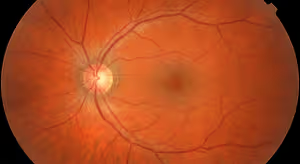
Before or soon after you start a high-risk medicine, we photograph the back of your eye and record your macula, optic nerve, and eye pressure. That first set of images becomes the reference point every later visit is measured against.

Depending on your medicine and risk factors, we may add visual field testing, repeated pressure checks, and a detailed review of your dose, how long you have taken the drug, your kidney and liver health, and any other medicine that adds to the risk.
Your Testing Schedule Is Set for You
There is no single schedule that fits every patient on these medicines. Guidance from professional eye organizations has changed over the years, and today the timing of testing depends on the medicine, your daily dose, how long you have taken it, your age and general health, and any other risk factors you carry. A patient on a low, weight-appropriate dose with steady kidney function may be checked on one rhythm. Someone with an added risk factor is watched on a tighter one.
At your visit, Dr. Malani explains the schedule she recommends for you and why, and she updates it as your medicines or your health change.
Factors That Tighten the Interval
- A higher dose relative to your body weight
- A longer time on the medicine
- Kidney or liver conditions that affect how the drug clears
- Taking more than one medicine linked to eye risk
- Existing retinal disease or a prior eye condition
What Stays the Same
- You keep taking your medicine exactly as prescribed
- You tell every eye doctor about your full medication list
- You keep the return interval we set, even when your vision feels fine
- You report any new visual symptom promptly

We Work With the Doctor Who Prescribed It
Eye monitoring supports your medical treatment; it does not replace it. With your permission, Lotus Eyecare shares exam findings, images, and any recommendation with the doctor or specialist who prescribed your medicine, so the whole team is working from the same record.
If testing shows a change, the decision about your medicine belongs to you and your prescriber. Our role is to give you both the clearest possible picture of what is happening in your eyes and what the options are, so that decision is made with good information.
Never Stop a Prescribed Medicine on Your Own
Stopping a medicine like Plaquenil, tamoxifen, or a steroid on your own can harm the condition it was prescribed to treat, sometimes seriously.
If you are worried about your eyes, call the office instead of changing your dose or stopping the drug. We can see you, check your eyes, and coordinate with the doctor who prescribed it before anything changes.
When to Call Right Away
Contact us promptly if you notice a new or sudden change in your vision, including:
- Straight lines that look wavy or bent
- A new blank spot or dark area in your central vision
- Sudden blurring or loss of vision in one or both eyes
- New flashes of light, a sudden shower of floaters, or a curtain or shadow across your sight
- Eye pain, redness, or halos around lights
Sudden vision loss, a curtain over your vision, or a serious eye injury may need emergency care. Call (972) 334-9095 and, after hours, seek emergency services. You can also read about our eye emergency care.
Medication Eye Monitoring Questions
When the exam is for a medical reason such as monitoring a prescribed medicine, it usually bills to your medical insurance rather than a vision plan. Lotus Eyecare verifies your benefits before testing so you know what to expect. Coverage depends on your plan, and we are glad to confirm the details for you.
Not always. A routine vision exam focuses on your prescription and general eye health, and it may not include the dilated retinal exam, imaging, or visual field testing that a monitoring program needs. If you take one of these medicines, tell us when you schedule so we can book the right exam with the right amount of time.
It depends on your medicine, your dose, how long you have taken it, and your other risk factors. There is no single schedule for everyone, and recommendations have changed over time. Dr. Malani sets an interval for you and adjusts it as your medicines or health change.
No exam can promise that a medicine will never affect your eyes. Monitoring gives the best chance of finding a change early, when a conversation with your prescriber about dose or treatment has the most room to help. That is why regular testing matters even when your vision feels normal.
No. Never stop or change a prescribed medicine on your own. Call us and call the doctor who prescribed it. We can examine your eyes quickly and work with your prescriber before any treatment decision is made.
Keep Your Medicine and Your Eyes in One Safe Plan
If you take hydroxychloroquine, tamoxifen, a long-term steroid, or another medicine with known eye effects, schedule a monitoring exam at Lotus Eyecare in Frisco. Bring your medication list and your questions.